01
Small black droppings (3-7 mm) in kitchen corners or storage areas
Integrated rodent solution: safe bait in tamper-proof boxes + entry point sealing + periodic monitoring with monthly reports.
Killing existing rodents isn't enough - we seal entry points and place safe baits in tamper-proof boxes, with weekly station monitoring.
Rodents are among the most dangerous pests in Cairo, not just for property damage but because they transmit over 35 serious diseases through droppings and saliva - including leptospirosis, salmonella, and bubonic plague.
In residential settings, the most common species: the house mouse (Mus musculus) - small (7-10 cm), gray, enters through tiny openings (passes through a pencil-tip sized hole). The Norway rat (Rattus norvegicus) - large, brown, lives in drains and climbs to apartments at night. The black rat (Rattus rattus) - medium, an expert climber, lives in roofs and upper floors.
The big problem is one mouse produces 200 mice annually, and each mouse gnaws roughly 1000 items in its lifetime (forced biological behavior to wear down its teeth). So a small infestation can become an electrical disaster if they reach wires, or a major health issue if they reach the kitchen.
At Nile Germany we use the globally certified globally certified integrated pest management system: not just killing existing rodents, but a root solution at 3 levels. Level one: killing existing rodents with safe German rodent bait in tamper-proof boxes safe for children and pets - no spraying, no exposed traps. The bait works slowly (the mouse dies after 4-8 days), important because other mice don't associate death with bait and avoid it.
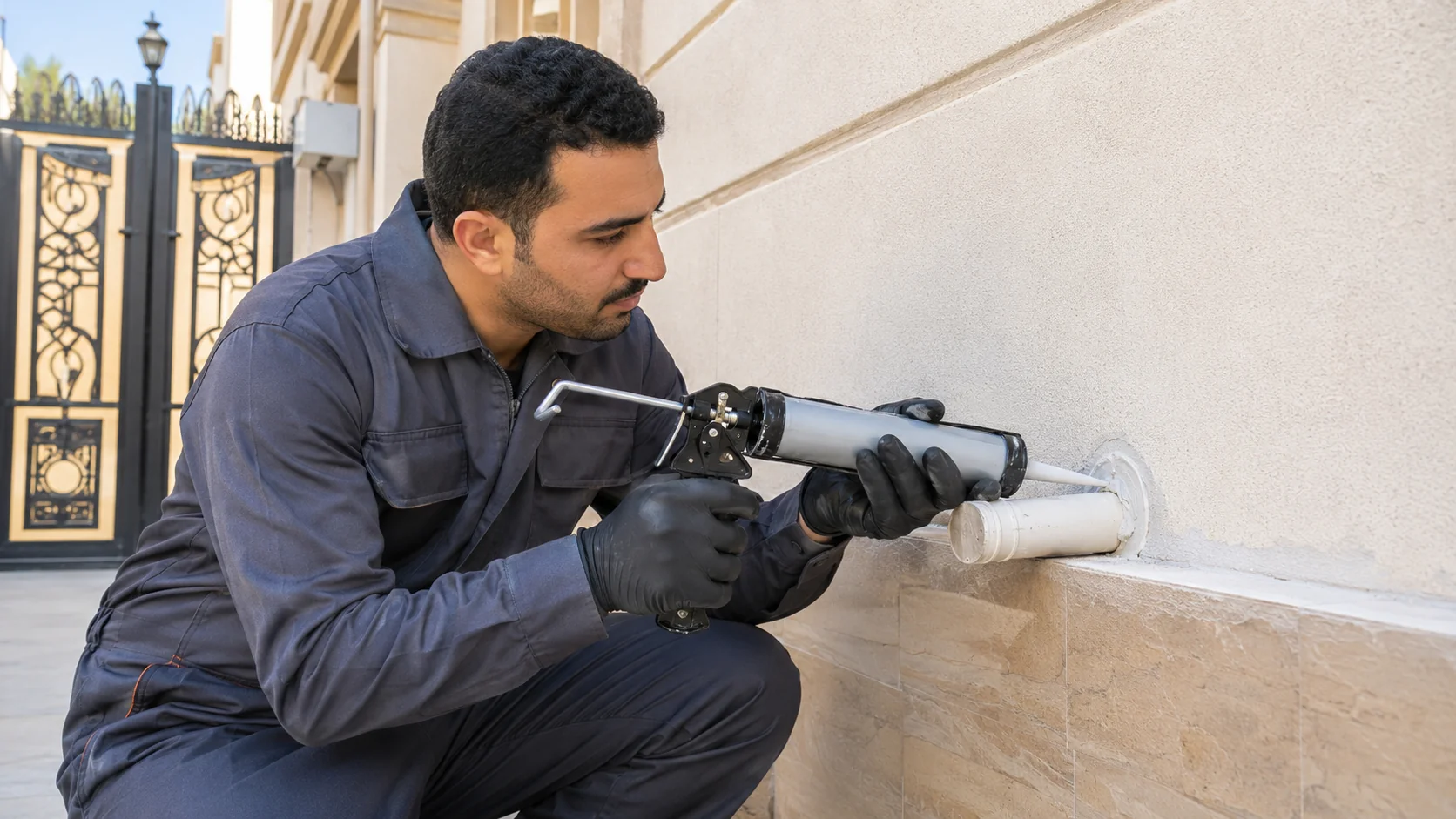
Level two: sealing entry points. The technician scans the entire home and identifies openings rodents use (under doors, around pipes, foundation cracks, AC vents). We seal with specialized materials (steel mesh + cement + silicone) preventing gnawing and penetration.
Level three: periodic monitoring. We place external bait stations around the home and monitor weekly (for facilities) or monthly (for residential). Each visit produces a written report showing bait consumption per station and any new activity signs.
For facilities (restaurants, warehouses, schools, hotels) we offer an annual contract with monthly visits and Ministry of Health-certified reports - required for license renewal.
Our results: within 30 days of program start, 98% of infestations are eliminated. The remaining 2% occur when the original source is outside treatment scope (like the neighborhood's general drainage).

Watch for these signs and act fast before they spread
Small black droppings (3-7 mm) in kitchen corners or storage areas
Gnaw marks on food, wires, cardboard, or door edges
Movement and scratching sounds in the ceiling or inside walls at night
Greasy stains on walls along rodent paths (left by their fur)
A strong musty smell in a closed area (indicates a dead rodent inside the wall)
Facts about this pest that may surprise you
A pair produces up to 200 mice annually through 6-8 births, each with 6-10 mice.
A mouse enters through a pencil-tip hole (6 mm), a rat through a coin-sized hole.
A mouse gnaws constantly to wear down its teeth, more than 30 times per minute.
Rodents transmit over 35 serious diseases, most notably leptospirosis, salmonella, and plague.
Scientifically designed methodology for every step
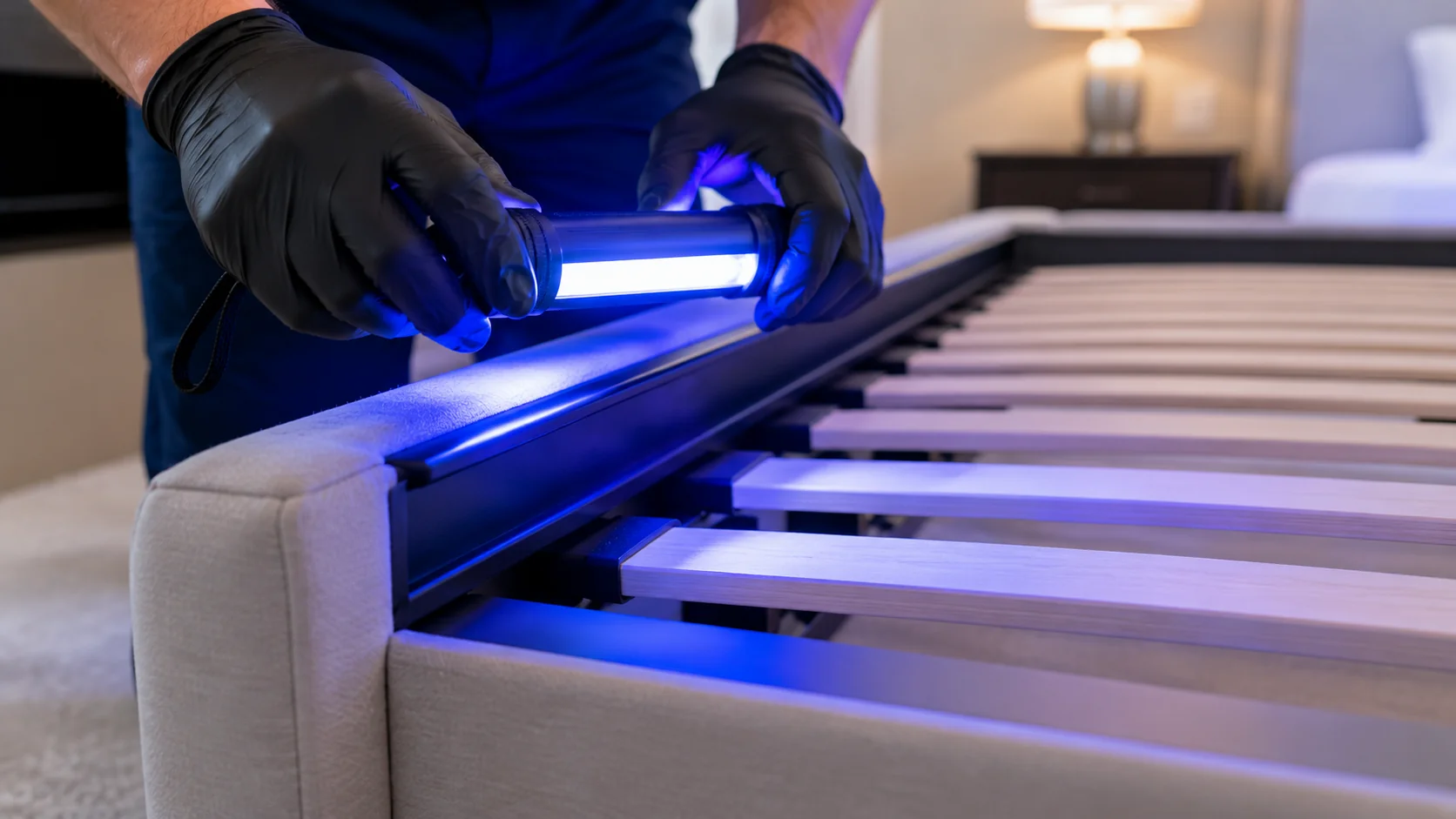
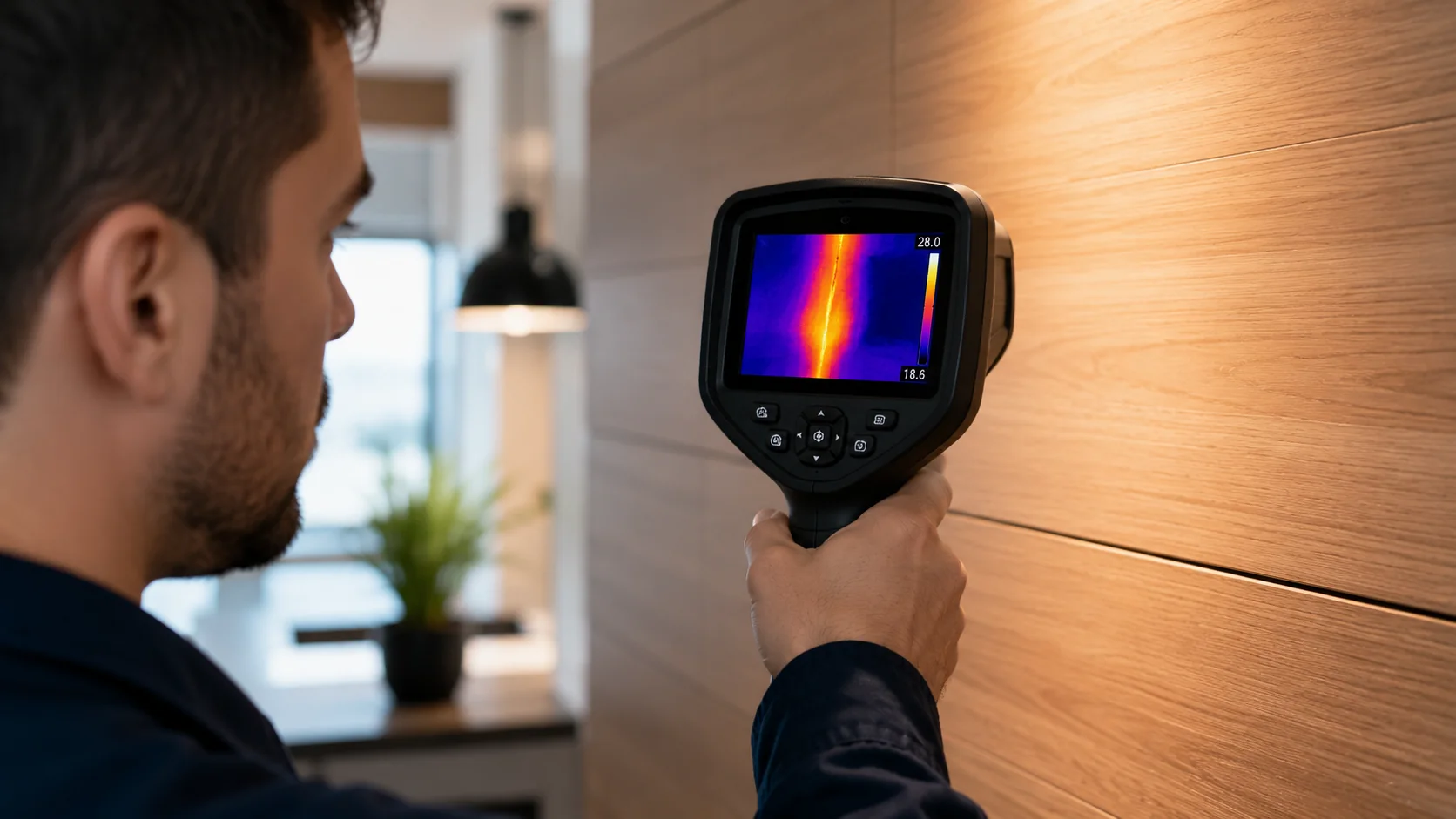
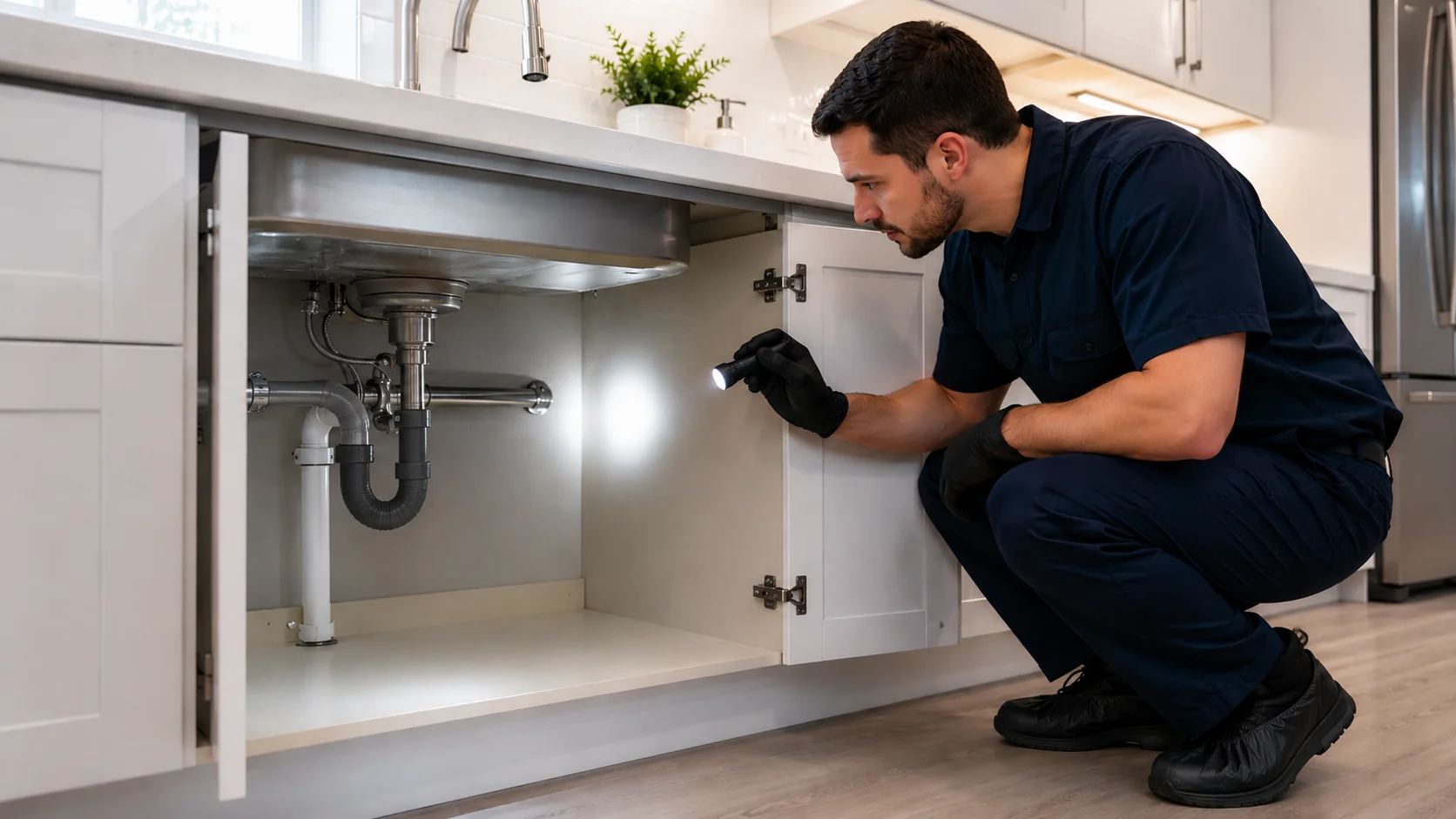
The technician inspects the entire home and identifies entry points and rodent paths (via droppings and grease marks).
Locked plastic bait boxes (child-safe) containing safe German rodent bait, placed at 10-15 strategic points inside and outside the home.
Sealing all rodent entry openings with steel mesh + cement + silicone. The technician verifies every potential opening, even small ones.
Large sticky boards in kitchen and storage for monitoring and catching surviving rodents. Completely safe for children (in hidden spots).
After 4-7 days, the technician returns to remove dead rodents and sanitize areas where droppings passed.
Monthly follow-up visits (residential) or weekly (facilities), with a written report per visit showing consumption and activity.
Simple instructions to streamline the work and ensure safety
Related services that may be useful for you
Our team is waiting for your call - same-day response