01
Repeatedly seeing geckos on walls or ceiling at night
Safe gecko removal without indoor killing - we treat the root cause and prevent return long-term, without odors or carcasses.
We use safe removal techniques (repellents + sealing entry points + treating insects they feed on) without leaving dead bodies in the home or unpleasant odors.
Geckos are creatures that disturb many Egyptian families because their appearance frightens many people, especially children and women. But in reality, geckos don't harm humans, don't carry serious diseases - but their presence indoors creates a feeling of discomfort.
In Cairo, the most common species: white house gecko (Hemidactylus turcicus) - small, translucent-beige, most common in apartments. And large wall gecko (Tarentola annularis) - larger, gray-brown, common in villas and gardens.
The issue with geckos is they enter homes seeking insects: mosquitoes, moths, small cockroaches, ants. So their presence indicates other insect infestations in the home. If we only kill the geckos, the insects they ate will multiply, and new geckos will come.
At Nile Germany, we have a different philosophy: we don't kill geckos indoors. The reason: killing them indoors creates a dead body in hard-to-reach places (behind cabinets, above curtains, inside wall cavities), and the corpse causes a very unpleasant smell lasting weeks.
Instead, we follow a 3-stage scientific approach.
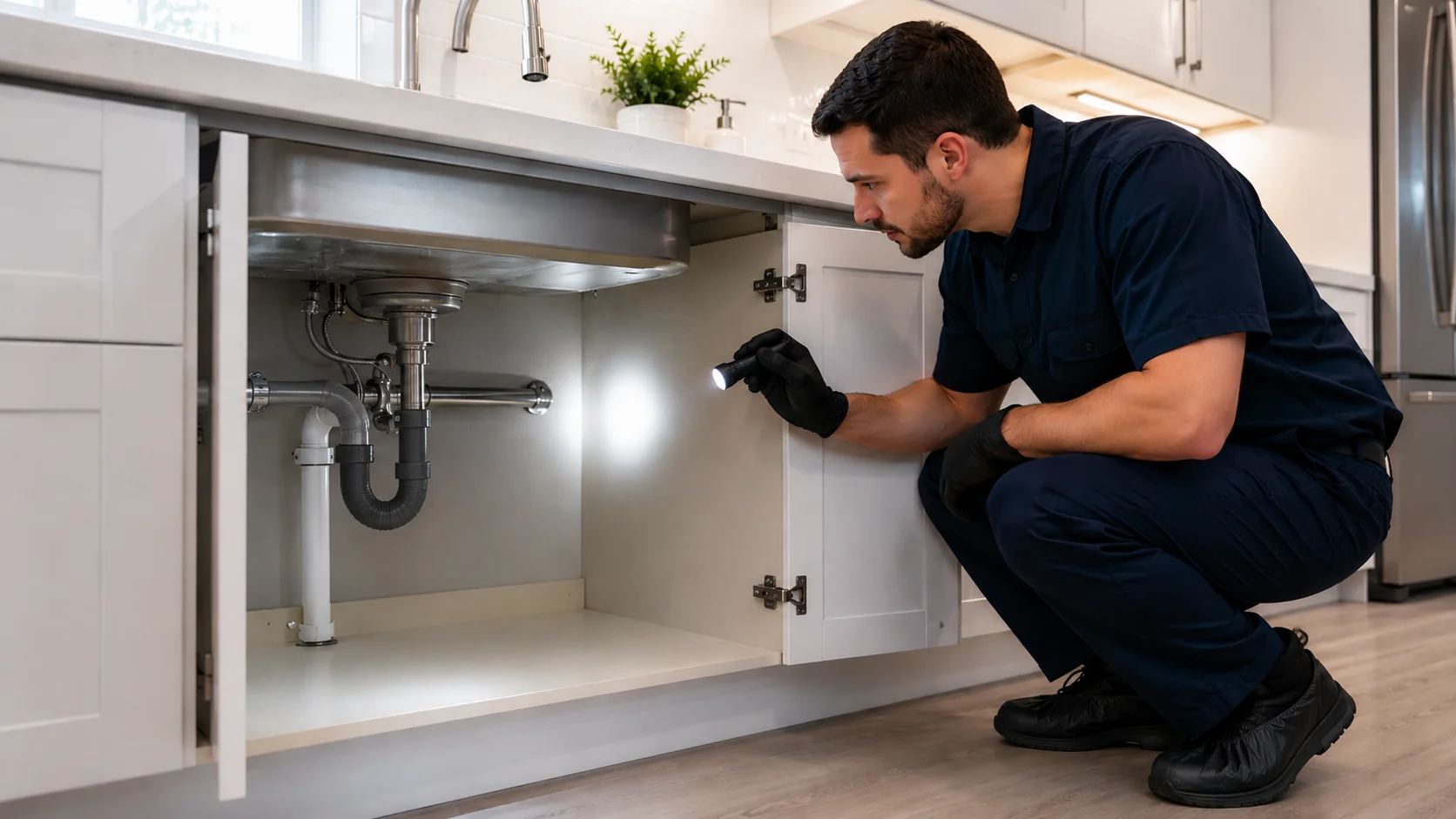
Stage one: treating the source (the insects they eat). The technician identifies other insect infestations (mosquitoes, moths, cockroaches) and treats them first. Without food, geckos seek a new place to live.
Stage two: using sound and chemical repellents in places geckos love (behind curtains, around lamps, in ceiling corners). Repellents don't kill, but make geckos leave voluntarily.
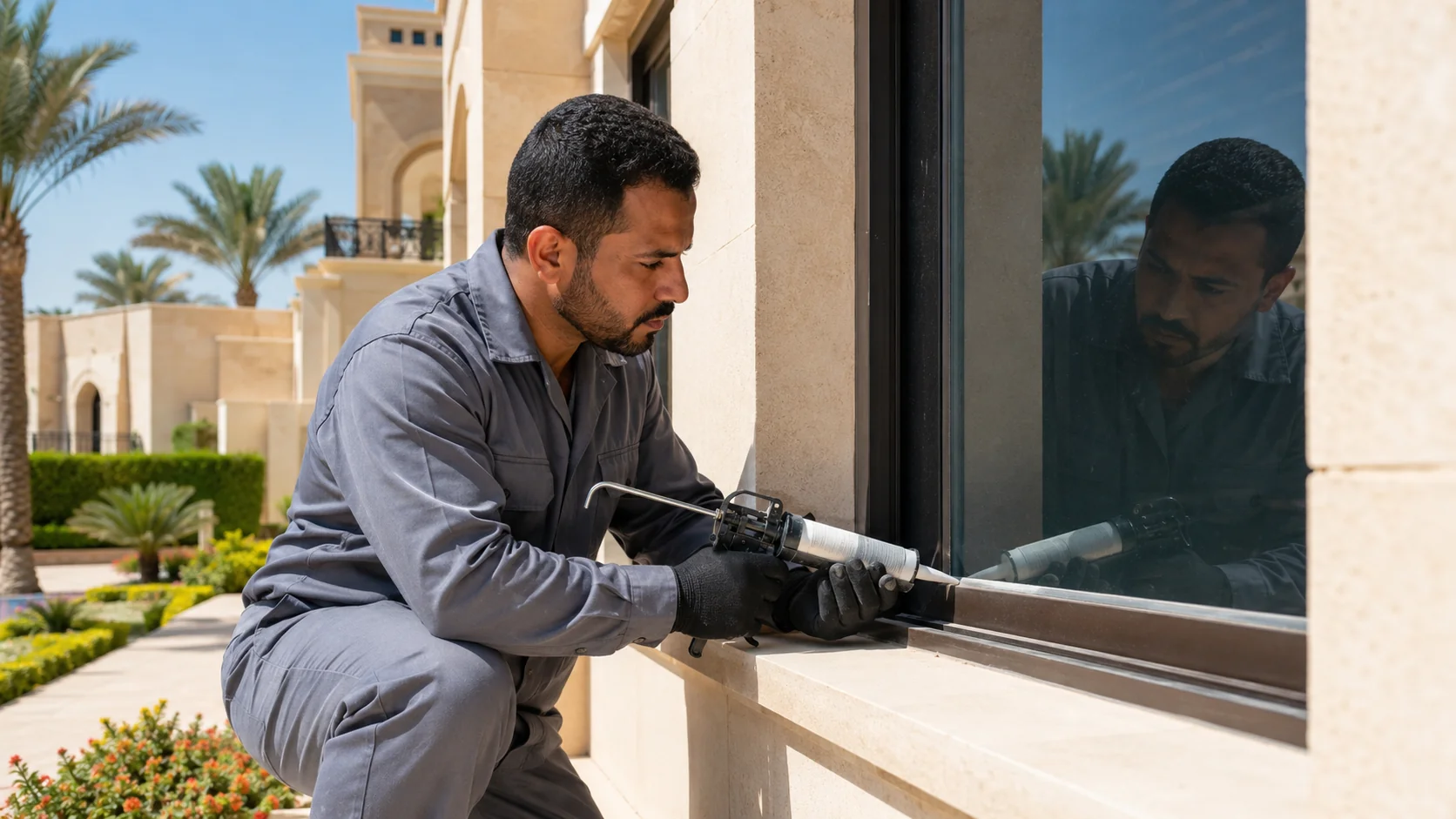
Stage three: sealing entry points. Geckos enter through tiny openings (cracks around windows, AC vents, under doors). We seal all openings with specialized silicone preventing return.
The result: 90% of geckos leave voluntarily within 3-7 days, without corpses or odors. The remaining 10% may take longer because they found a very safe place, but eventually all leave.
Important note: we don't recommend any folk repellents (garlic, camphor, onion) because they're ineffective and divert attention from the real solution: treating other insects and sealing entry points.

Watch for these signs and act fast before they spread
Repeatedly seeing geckos on walls or ceiling at night
Small droppings (black with white tip) in room corners
Quick hiding sound behind furniture when turning on lights
Small white eggs (7-12 mm) in cabinet crevices or behind frames
Appearance of other insects (mosquitoes, moths, cockroaches) - the attraction source
Facts about this pest that may surprise you
A single gecko eats up to 20 insects daily - it's a natural predator of mosquitoes and moths.
A gecko lives 7-10 years in homes, longer than most small animals.
A female lays 2 eggs per clutch, 4-6 times yearly, all in hidden corners.
Geckos have no venom and don't transmit serious diseases. People's fear of them is more cultural than scientific.
Scientifically designed methodology for every step
The technician identifies other insects attracting geckos (mosquitoes, moths, small cockroaches, ants).
We treat all insects geckos eat first. Without food, geckos leave seeking food elsewhere.
Placing high-frequency sound repellent device inaudible to humans but disturbing to geckos.
Spraying natural (non-killing) repellent in corners, ceiling, and behind curtains - making geckos leave voluntarily.
Sealing all small openings around windows, AC vents, wall cracks. Geckos can't return.
Simple instructions to streamline the work and ensure safety
Related services that may be useful for you
Our team is waiting for your call - same-day response